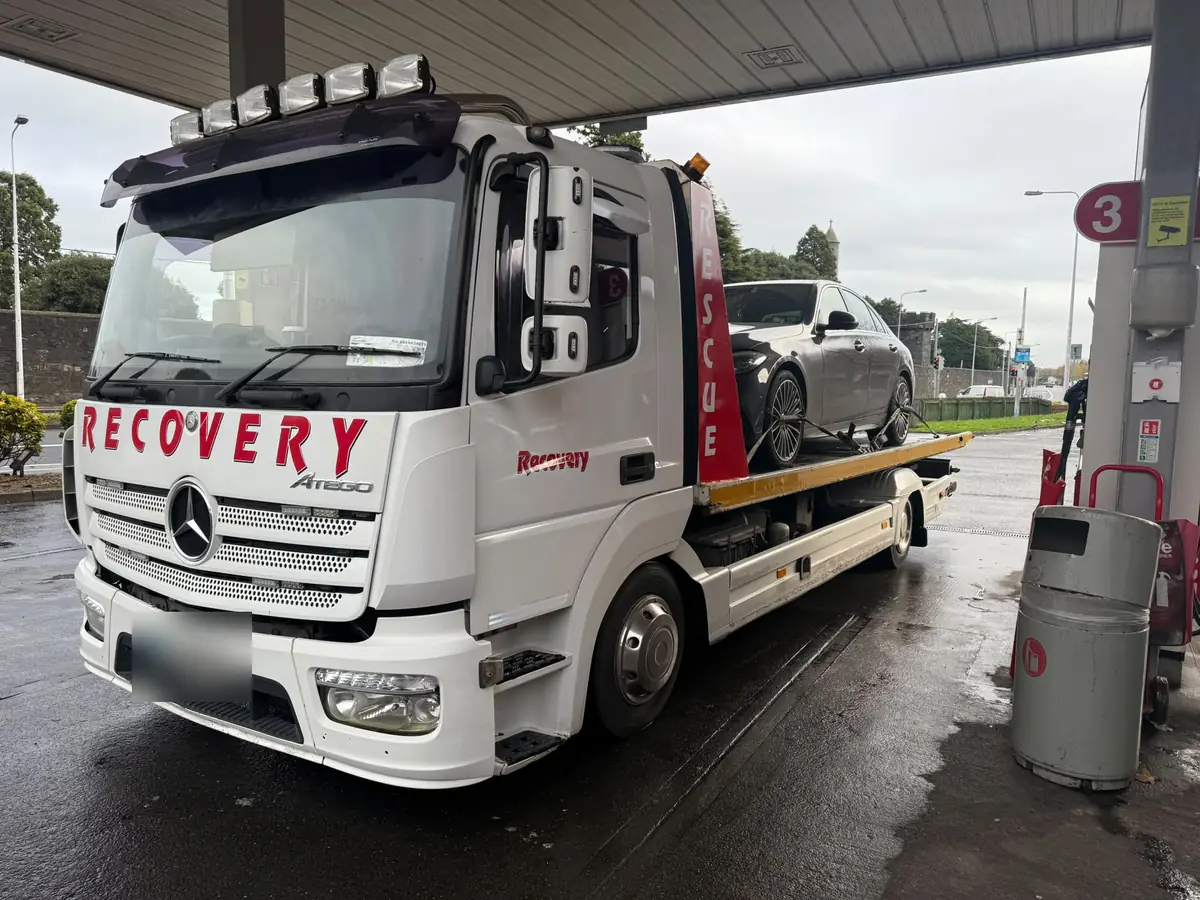
Cars rarely stop for no reason at all. Behind most breakdowns there is one of a handful of causes, and many of them could have been caught with a look under the bonnet or a bit of attention to the dashboard. Here are the ones that come up again and again, and what you can do about each.
1. A flat or tired battery
This is the classic, especially on a cold, damp morning. A battery that was getting weak through the autumn often gives up on the first properly cold day. Short trips make it worse, because the alternator never gets long enough to put back what the starter took out.
Signs to watch for:
- The engine turns over slowly, or more slowly than it used to
- Clicking when you turn the key or press start, and then nothing
- Dim lights or a dashboard that flickers when you try to start
- The car has sat unused for a couple of weeks
A battery past its fifth winter, or one that has struggled to turn the engine over more than once, deserves a test before the cold sets in. Most garages and parts shops can do it quickly.
2. Tyres and punctures
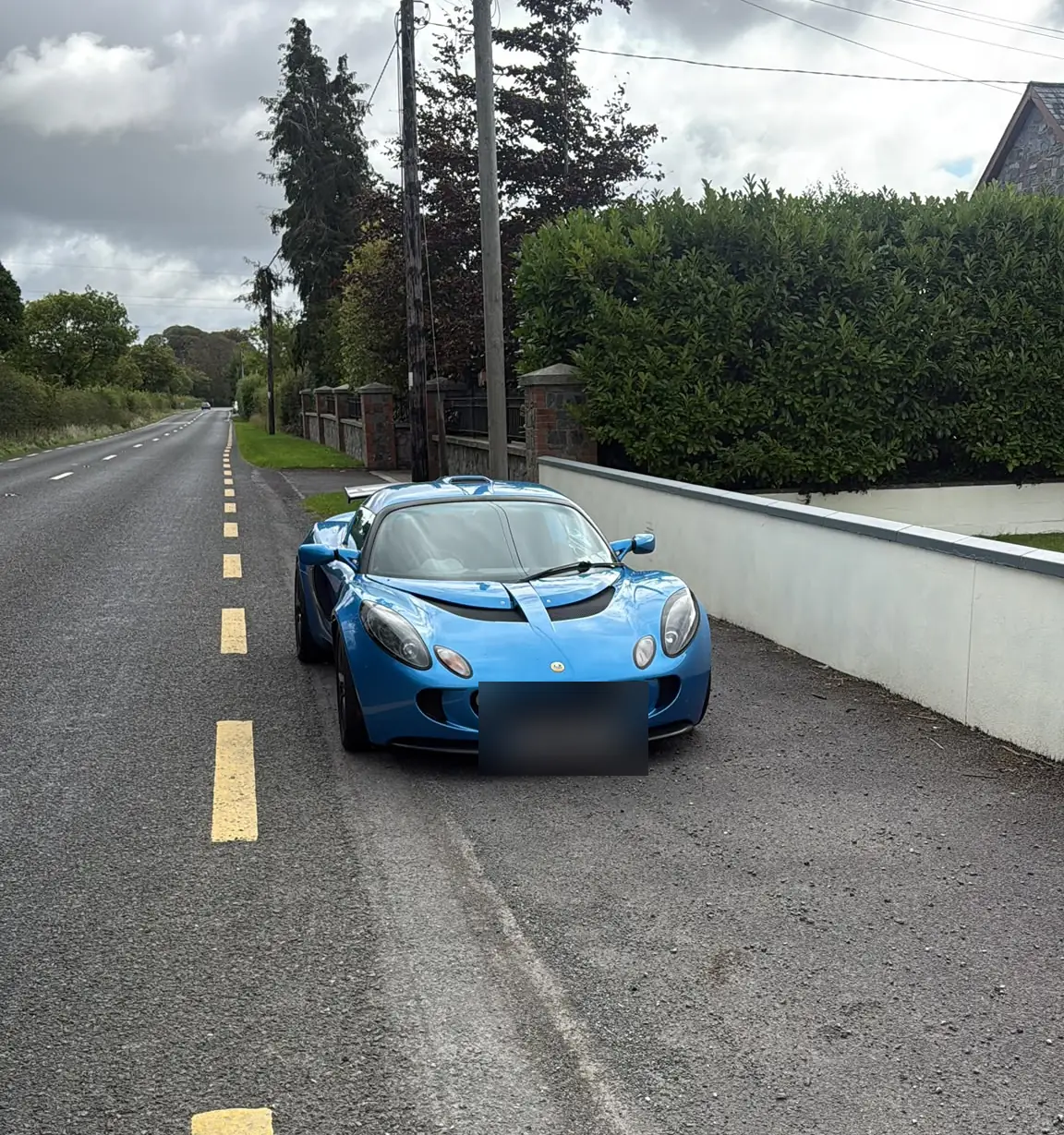
Potholes, kerbs, nails and low pressure all take their toll. A tyre that runs low for weeks wears unevenly, gets hot and is more likely to fail at speed. Plenty of newer cars have no spare wheel at all, just a repair kit, which will not fix a torn sidewall.
What helps:
- Check the pressures once a month, cold, against the figure in the door shut or the handbook
- Look for cuts, bulges and anything stuck in the tread
- Keep an eye on tread depth. The legal minimum in Ireland is 1.6 mm, but grip drops well before that
- Find out now whether your car has a spare, a space saver or only a kit
3. Overheating and coolant leaks
Engines need coolant, and they need it to circulate. A split hose, a failing water pump, a stuck thermostat or a leaking radiator can all send the temperature up, often in slow traffic where there is little air flowing through.
If the temperature needle climbs or a coolant warning comes on, pull in when it is safe and switch off. Do not open the coolant cap on a hot engine: the system is under pressure and can spray scalding liquid. Driving on with an overheating engine is one of the quickest ways to turn a cheap hose into an expensive head gasket.
Check the coolant level on a cold engine every few weeks. If you keep having to top it up, there is a leak somewhere, and it is worth finding.
4. The alternator and charging system
When the alternator stops charging, the car runs on the battery alone until the battery is empty. That can take a few minutes or the best part of an hour. The battery warning light on the dash is the usual clue, sometimes with dimming headlights, a whining noise or electrics that start acting strangely.
If that light comes on while you are driving, head for somewhere safe to stop rather than pressing on to your destination. A car that dies in a live lane is far worse than one that stops in a car park.
5. Fuel: running out, or the wrong one
Running out happens more than people admit, usually with a gauge that “always has a bit left”. Some modern diesels also need more than just fuel to restart once they have run dry.
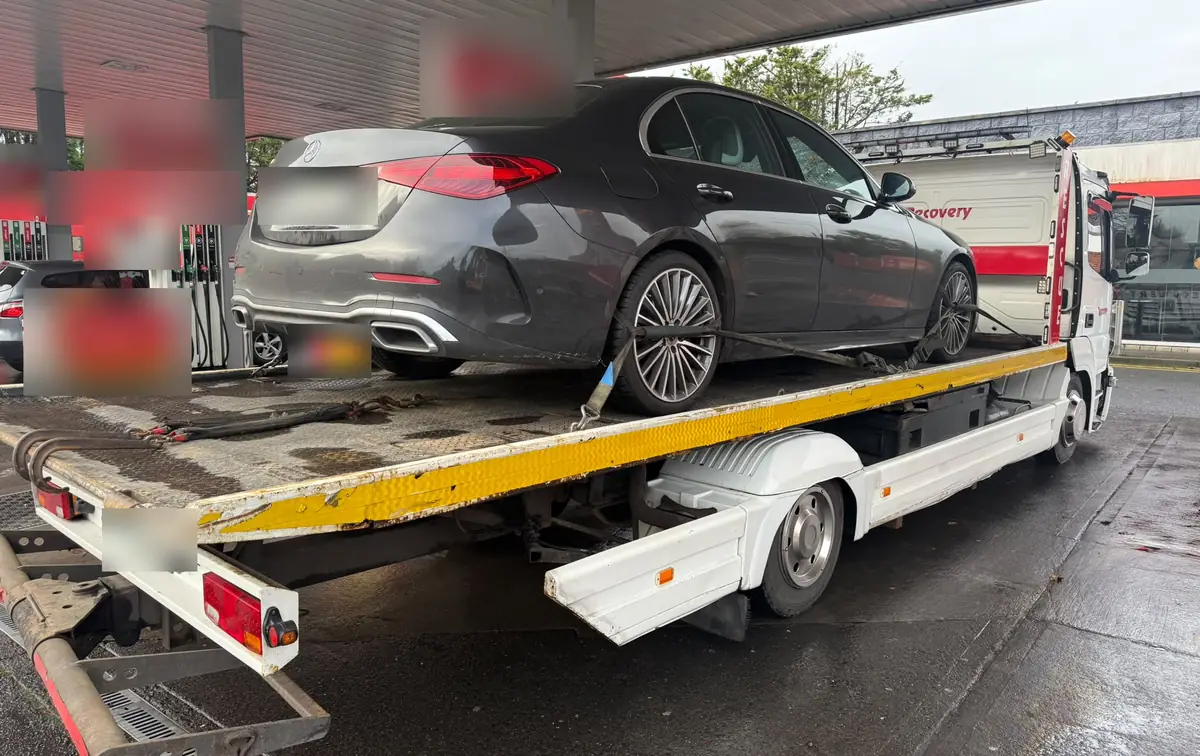
Putting the wrong fuel in is the other one. If you realise at the pump, leave the engine off, and ideally keep the ignition off as well. Push the car to a safe spot with help, or leave it where it is and ring for advice. If you only notice after driving off, stop as soon as it is safe and switch off.
6. Warning lights that were ignored
A light that has been on for weeks is easy to stop seeing. Some are minor, some are not. As a rough guide:
- Red usually means stop when it is safe and find out why. Oil pressure, temperature, brakes and charging are all red for good reason
- Amber usually means get it checked soon. Engine management, tyre pressure and glow plug lights often come on in amber first
The handbook tells you what each light means on your car. When in doubt, treat red as serious.
7. Irish weather
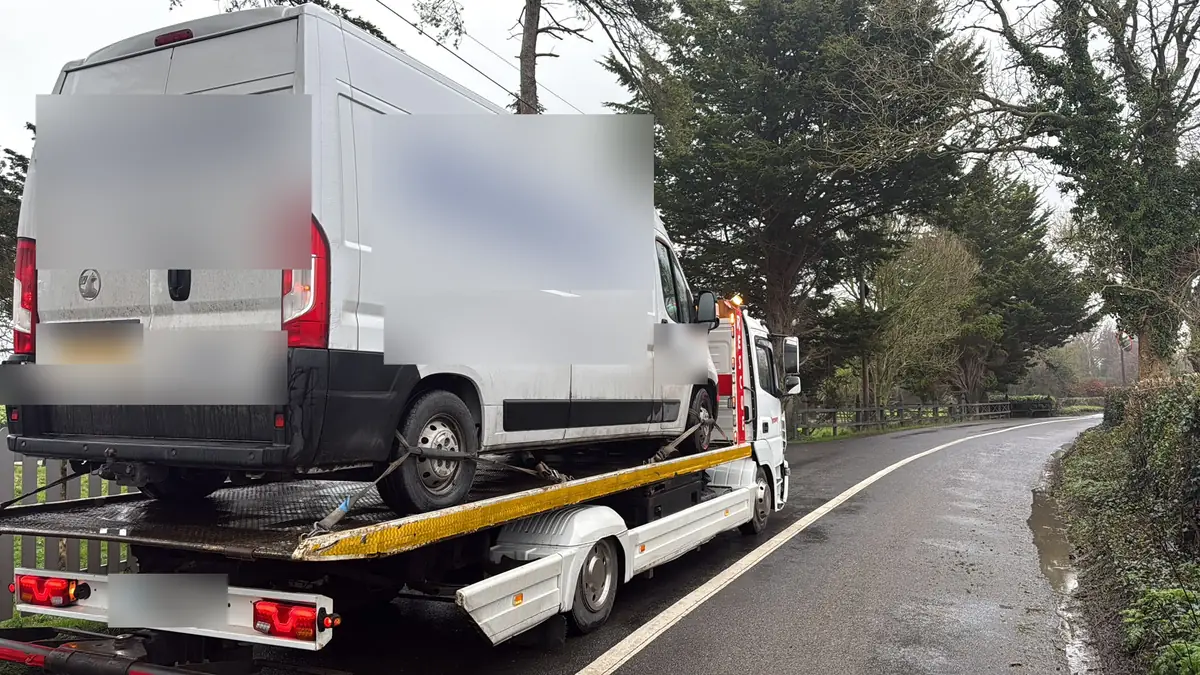
Damp gets into electrics, cold flattens batteries and heavy rain hides potholes. Flooded roads are a real risk too: water drawn into the engine through the air intake can wreck it in seconds. If you cannot see the road surface under the water, do not drive through it.
In winter, keep the screen wash topped up with a proper mix, check the wipers and lights, and give the battery and tyres the extra attention they need.
8. Skipped servicing and the NCT
A lot of breakdowns are simply wear. Belts, hoses, brakes, suspension parts and filters all have a life, and skipping services pushes them past it. Older cars in particular reward regular servicing. There is more on that in our note on breakdown assistance for used cars and older vehicles.
The NCT checks that the car is roadworthy on the day. It is not a full service. Use the test date as a reminder to have the car looked at a few weeks beforehand, and fix the advisory items rather than waiting for them to become failures.
A five-minute check before a long drive
- Tyres: pressure, tread and any damage
- Oil and coolant levels, on a cold engine
- Lights, indicators and wipers
- Enough fuel or charge for the trip, with some to spare
- A charged phone, a warm layer and a high-visibility vest in the car
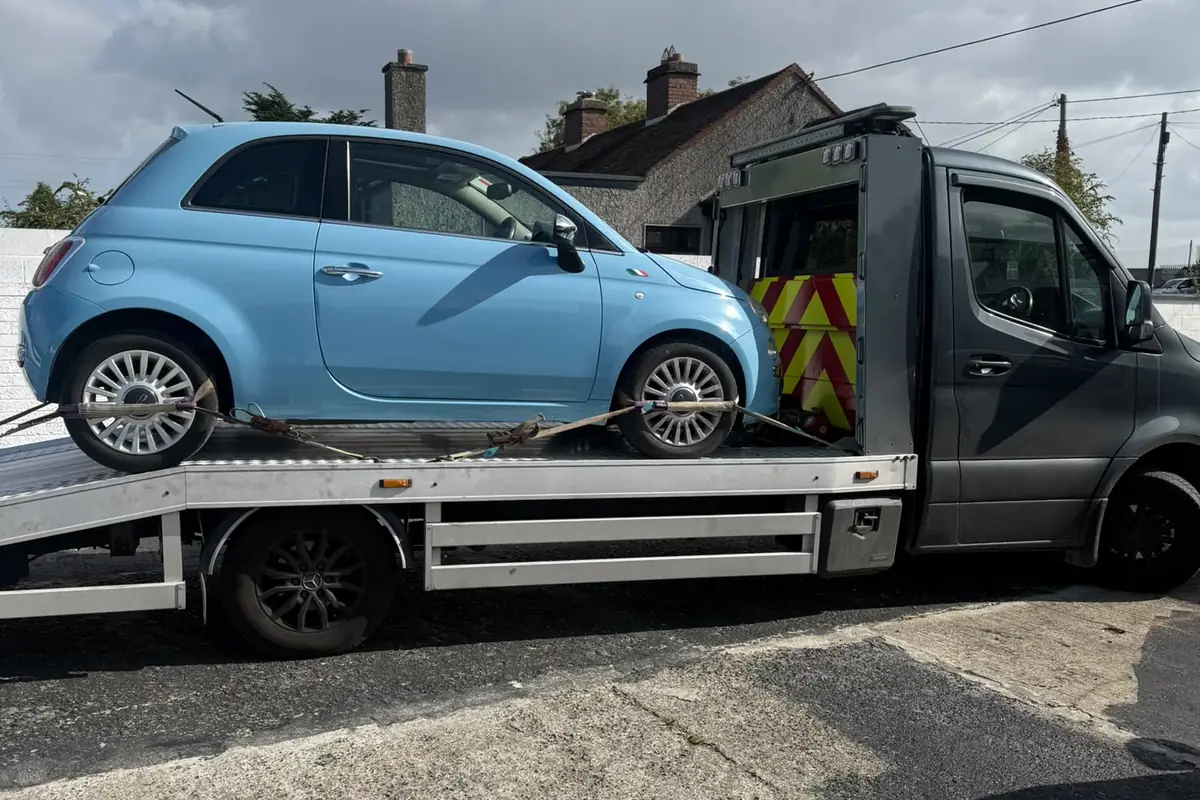
When the car stops anyway
Even a well looked-after car can let you down. If it does, safety comes first: hazard lights on, and on a busy road get everyone out on the side away from traffic. Our roadside safety guide goes through it step by step.
If the car will not go again, we can take it to your home or your garage. A standard call-out starts from €150, plus €2 per km depending on the destination, and you agree the figure on the phone before the truck sets off. See our breakdown recovery page, or ring 087 116 1102.