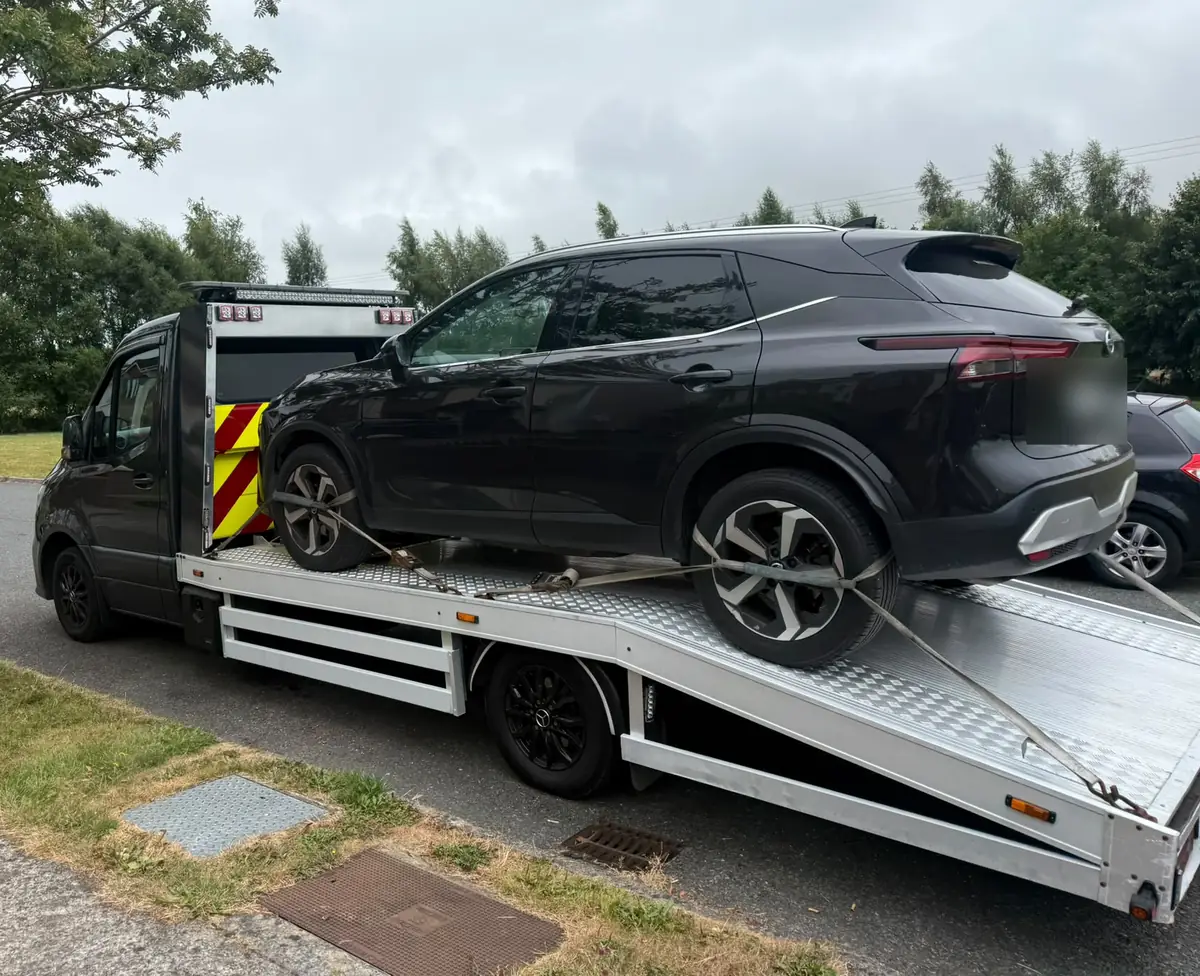
Plenty of Irish drivers run cars that are ten, fifteen or twenty years old, and many of those cars are perfectly good. High mileage is not a problem in itself. What matters is how the car has been looked after, and whether you notice the small changes that come before a bigger failure.
Why older cars need a little more planning
Parts wear out with age and miles. Rubber hoses harden, belts stretch, wiring connections corrode, and suspension bushes and exhausts rust through. None of that is a reason to get rid of a good car. It is a reason to know the car, keep up the servicing and have a plan for when something goes.
A used car you have just bought is a slightly different case. You do not yet know its habits, and the service history may be patchy. The first few months are when you are most likely to find out what the last owner did not mention.
Warning signs worth taking seriously
Warning lights
A red oil pressure, temperature, brake or battery light means stop when it is safe. Amber lights, such as engine management, usually mean get it checked soon. On older cars a light that comes and goes is still telling you something.
The temperature creeping up
If the gauge sits higher than it used to, or you keep topping up the coolant, there is a leak or a cooling problem. Overheating can damage the engine badly and quickly. Stop, switch off and let it cool. Never open the coolant cap on a hot engine.
New noises
Grinding when you brake, knocking from the engine, a whine that rises with speed or a clunk over bumps all have causes, and most get worse. A squeal on start-up can be a belt. On cars with a timing belt, check when it was last changed: if it breaks, the engine can be wrecked.
Smells, smoke and leaks
Burning smells, blue or white smoke from the exhaust, or puddles under the car after it has been parked are all worth a garage visit. A sweet smell is often coolant, and a sharp, hot smell can be oil dropping onto the exhaust.
Checks before a longer trip
Before a run to the other end of the country, or a few days away:
- Oil and coolant levels, on a cold engine
- Tyre pressures, tread and the spare, if there is one
- Lights, wipers and screen wash
- Any warning lights, and whether you know what they mean
- Fuel, plus a little more than you think you will need
If something on that list worries you, it is far easier to sort out at home than on the side of a motorway.
The NCT is a test, not a service
The NCT tells you whether the car met the standard on the day it was tested. It does not tell you how long the clutch has left or when the timing belt is due. Treat the advisory notes on the report as a to-do list, and book a service a few weeks before the test so there is time to fix anything that comes up.
Service history and warranties
A stamped service book or a folder of receipts is worth a lot on an older car. If you have just bought one without history, a full service early on is a sensible start. If you bought from a dealer with a warranty, read what it covers and what it needs you to do if the car breaks down, as some ask you to ring a particular number or use a particular garage.
When to stop driving
It is tempting to try to limp home. Sometimes that is fine, but stop and get help if:
- The temperature is in the red, or a coolant warning is on
- The oil pressure light is on
- The brakes feel different or a brake warning comes on
- There is smoke, or a strong smell of burning or fuel
- The car is losing power or cutting out in traffic
Driving on can turn a repair that costs a little into one that costs more than the car is worth.
Some examples
A high-mileage diesel with a flashing light
The engine light starts flashing on the way to work and the car feels rough. A flashing engine light often means a misfire that can damage parts of the exhaust system. The best move is to stop when it is safe and not push on.
A petrol hatchback that overheats in traffic
The needle climbs every time the traffic stops. It could be the cooling fan, the thermostat or a leak. Pull in, switch off, let it cool and get it checked rather than nursing it across the city.
A newly bought car with no spare
A few weeks after buying, a tyre goes flat and the boot turns out to have no spare and no repair kit. Now is a good time to check yours.
Breakdown help: the options
Broadly, there are two ways people handle it:
- A breakdown membership or cover policy. You pay in advance, every year, and ring the provider when something happens. Read the terms, as some policies have conditions for older vehicles
- Paying per call-out. You pay nothing until you need help, then ring a local recovery company and pay for that job
Neither is right for everyone. We go through it in more detail in our note on AA breakdown assistance vs local breakdown assistance.
How we help with older cars
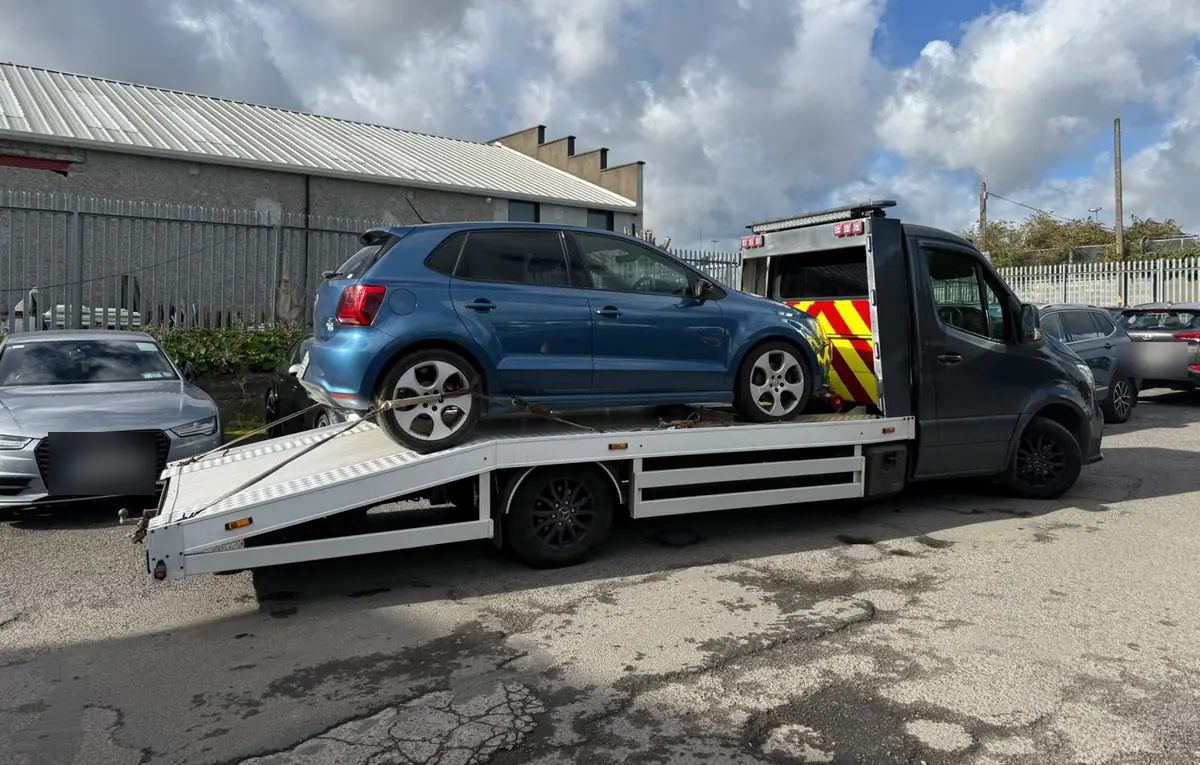
We move cars that have broken down, cars that have not run for months and cars that are going in for a repair that should not be driven there. Tell us on the call if the tyres are flat, the handbrake is stuck on or the car will not roll, because it changes how we load it.
A standard call-out starts from €150, plus €2 per km depending on the destination, agreed on the phone before the truck sets off. See our pages on breakdown recovery and car towing and transport, or ring 087 116 1102.
A simple routine
- Look at the oil and coolant every couple of weeks
- Check the tyres once a month
- Do not ignore lights that come and go
- Keep the service book up to date
- Know who you will ring before you need to
An older car that is looked after will usually look after you. And if it does stop, a bit of planning makes the day much easier. Our list of common car breakdown causes is a good place to start.