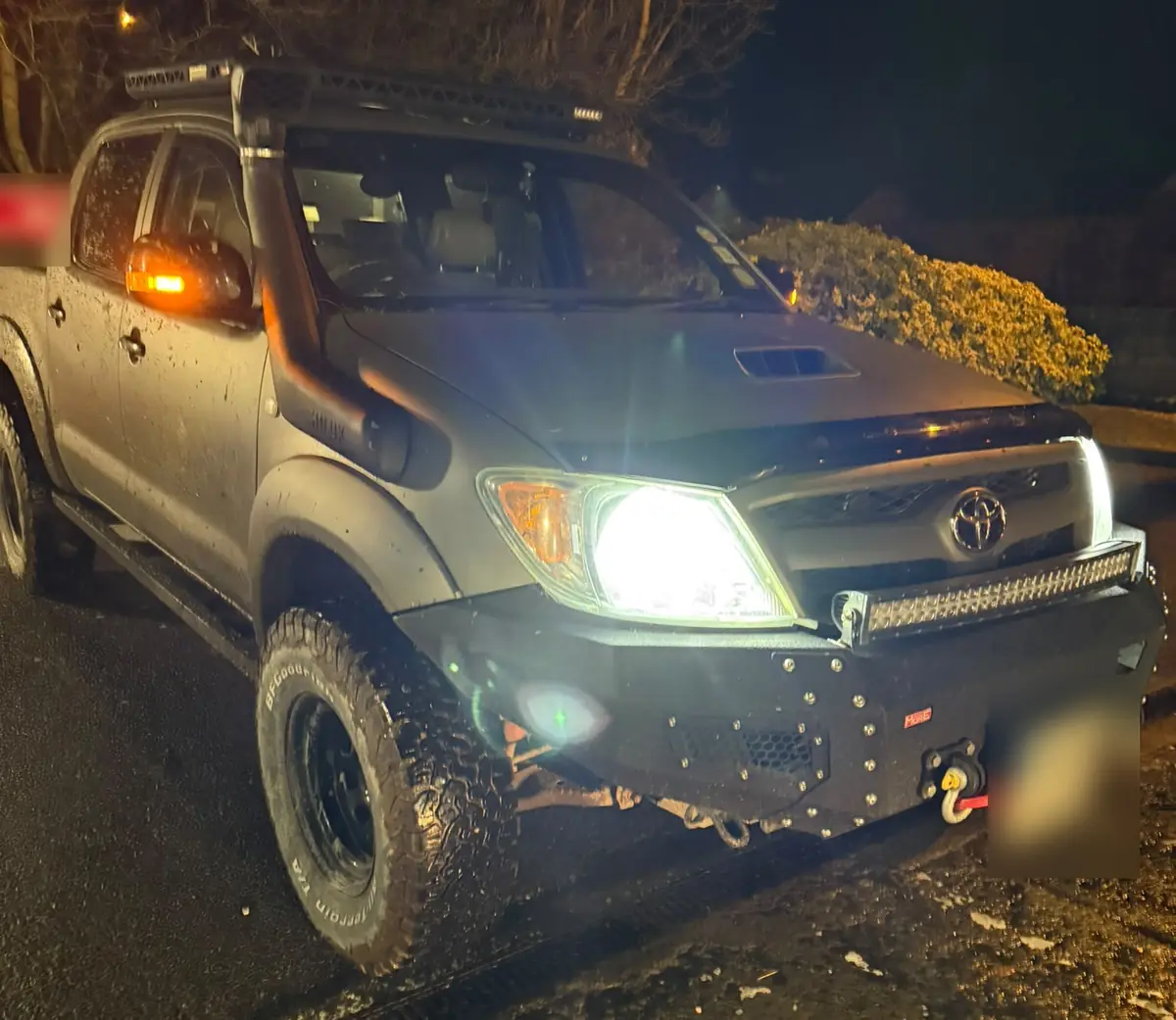
From late October the calls change. Fewer overheated engines, more cars that will not wake up on a frosty morning, more cars that slid on an estate road, and more drivers who tried a flooded dip and regretted it. If you are typing “vehicle recovery near me” on a cold, dark evening, this note is for you. It covers what each winter problem usually means and what is worth doing before you ring.
First, the cold and the dark
In December it is dark in Dublin before half four. That changes the safety picture on any road. If the car stops somewhere with traffic, put the hazard lights on, get everyone out on the side away from the cars, and stand well back. A bright coat or a hi-vis vest from the boot makes you far easier to spot. If anyone is hurt or in danger, call 112 before anything else.
The car will not start on a cold morning
Cold weather is hard on batteries. A battery that coped all summer can give up after a couple of frosty nights, especially on a car that only does short runs and never gets a proper charge. The signs are a slow, laboured turn of the engine, a clicking sound, or nothing at all.
Electric cars and hybrids have the same weak point. Alongside the big drive battery sits a small 12 V one, and it powers the door locks, the dashboard and the onboard computers. When that one is flat, the car can look completely dead even with plenty of range left.
If the car is at home and not in anyone’s way, there is no rush. Ring and tell us what it is doing. If it needs to go to a garage, it goes on the flatbed. If the same battery has let you down more than once this winter, say so to the garage when the car gets there.
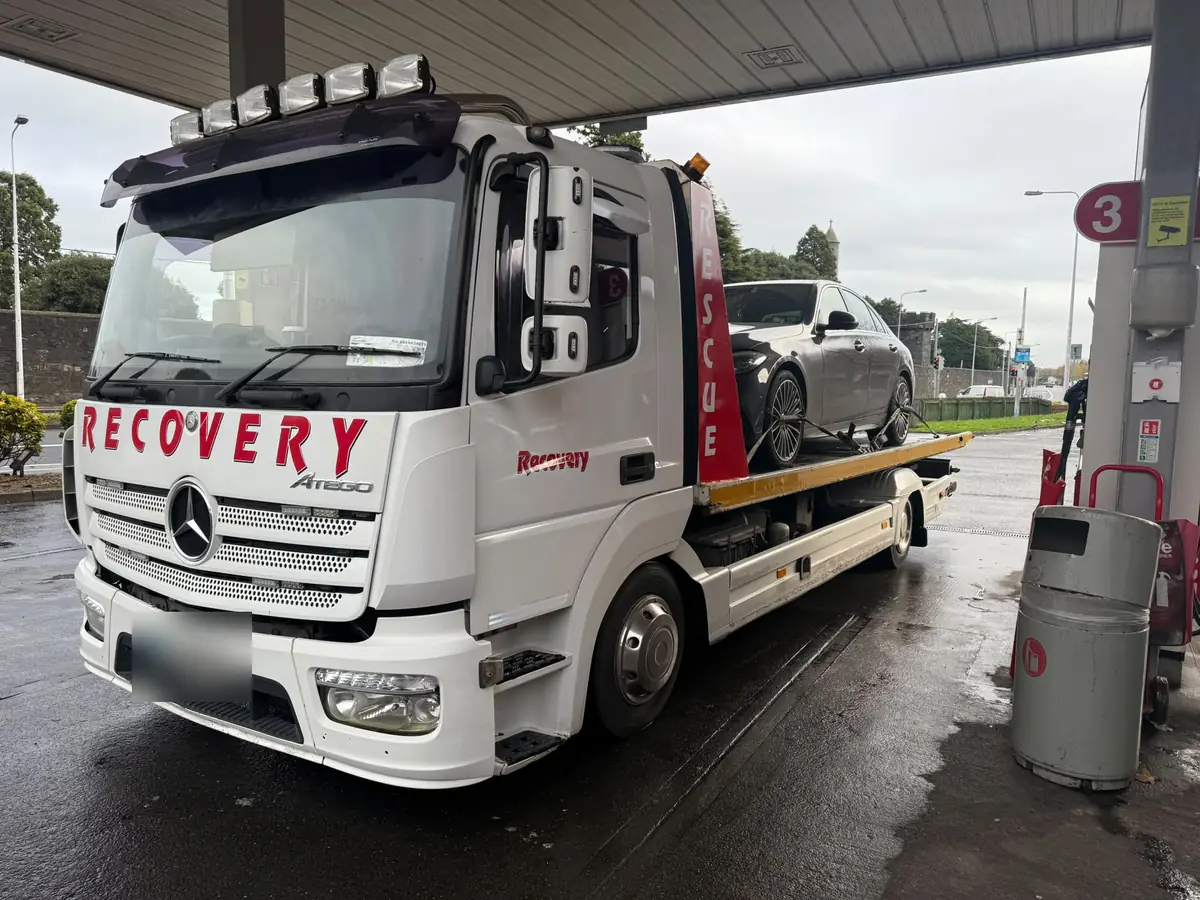
Ice, frost and a knock against the kerb
Main roads get gritted. Estate roads, hills and car park ramps often do not. A slow slide into a kerb at a junction feels like nothing, but it can bend a wheel or the steering parts behind it.
After a knock, look at the wheel from in front of the car. If it now points a different way to the other one, if the steering wheel sits crooked when you drive straight, or if there is a new knocking noise, stop driving it. A car like that should travel on the deck, not on its own wheels. When Met Éireann puts out an orange or red warning for ice or snow, the best tow is the one you never needed, so ask yourself whether the trip can wait.
Off the road, on a verge or in a ditch
On a narrow country lane or a soft verge, it is easy to drop a wheel off the tarmac. The natural reaction is to rev and try to drive out. Usually that spins the wheel deeper into the mud and can damage the clutch or the gearbox.
Switch off, get out if it is safe, and look at how the car is sitting. When you ring, tell us:
- How many wheels are off the road, and which ones
- Whether the car is level or tilted
- Whether it is on grass, mud, or in a dip or ditch
- Whether anything is leaking or touching the ground
That helps us plan what the job needs before we agree the price with you.
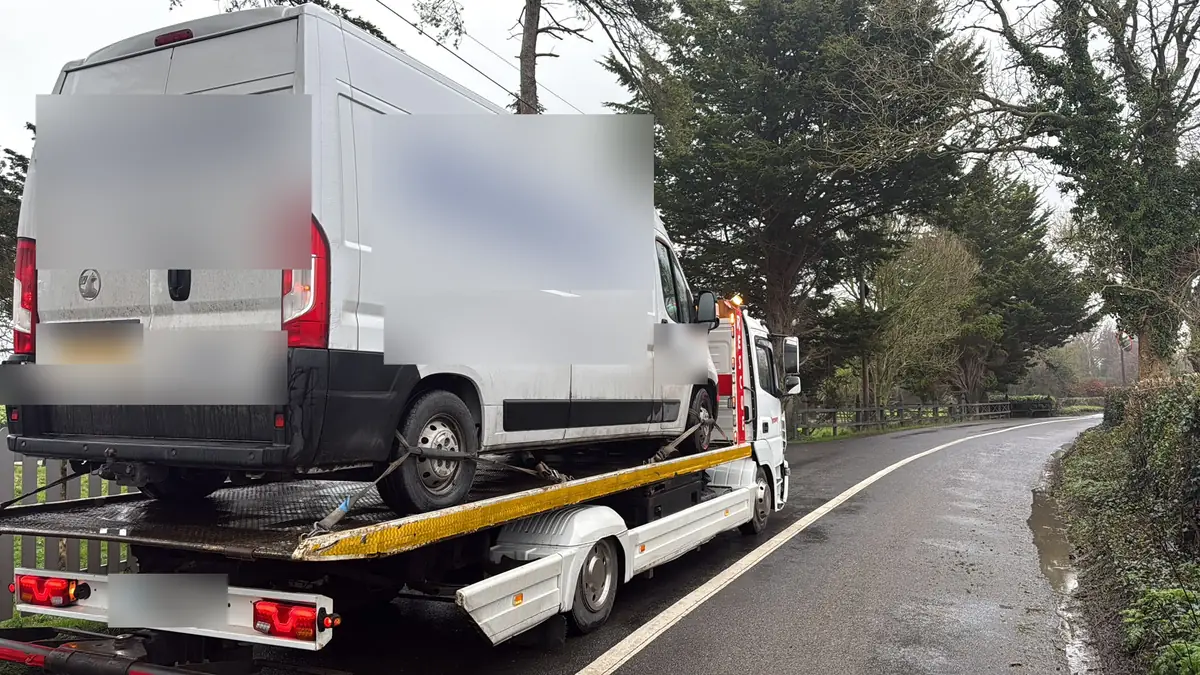
Flood water
Heavy rain leaves deep water in underpasses, dips and low roads after a storm. Never drive into water when you cannot see how deep it is. A small amount of water drawn into the engine can wreck it in seconds.
If the car stalls in water, do not try to start it again. That is often what turns a repair into a write-off. If the water is rising or moving, leave the car and get to higher ground, and call 112 if you are in danger. Once you are safe and the water has gone down, the car needs to go on a truck to a garage, not be driven.
What to tell us on a winter call
The usual details, plus a little more:
- Your name and a number we can ring back
- The registration
- Where the car is: an Eircode, or the road and nearest junction or landmark
- Where it should go: home, your garage or a dealer
- Anything winter has added: ice under the car, a verge or ditch, flood water, a damaged wheel
We give you the figure on the call. A standard call-out starts from €150, plus €2 per km depending on the destination, and the truck sets off once you have agreed to it. The tow truck prices page explains how it is built.
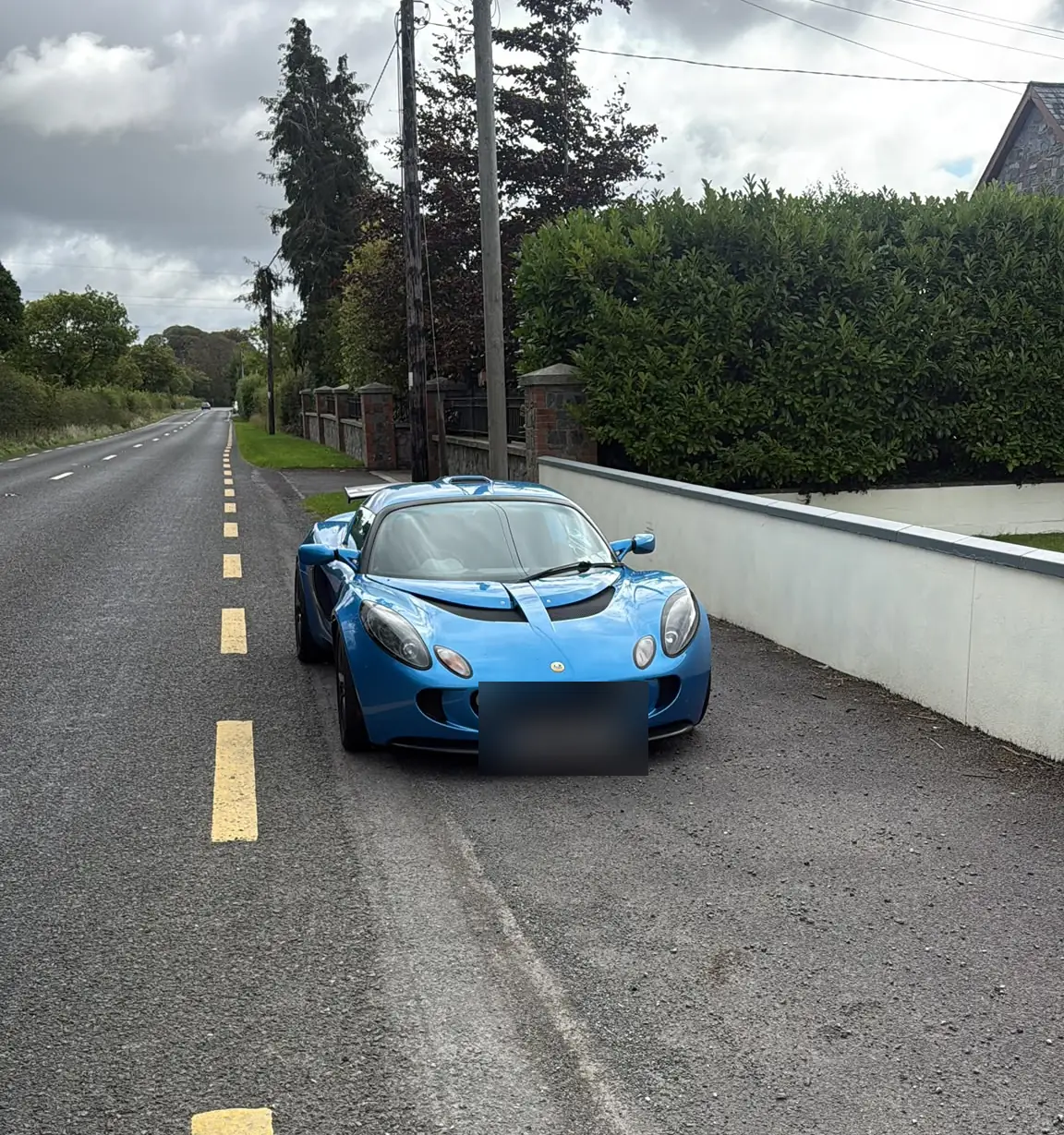
A small winter habit
Keep a warm layer, a torch and a phone charger in the car from November to March. Save a recovery number in your phone today, not on a dark road. For vehicle recovery in Dublin after a breakdown, or accident recovery after a slide that went wrong, ring Recovery CC on 087 116 1102.