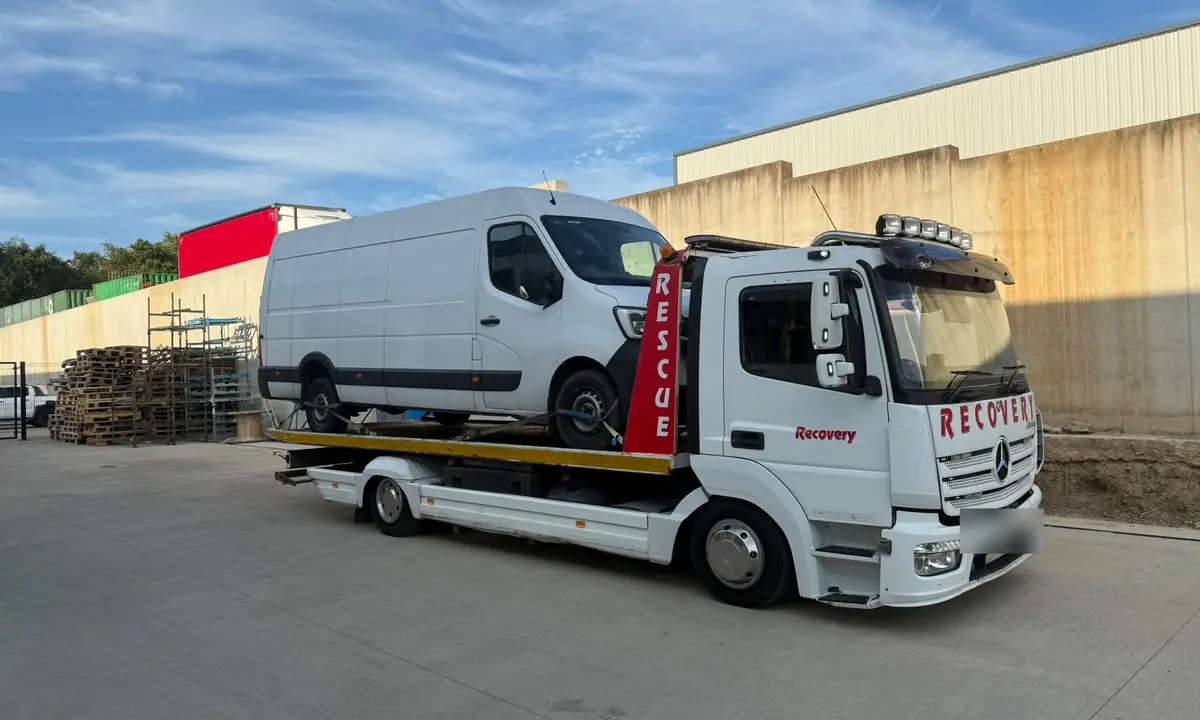
People often ring and ask for “a tow” when they really mean “help”. Sometimes the car can be got going where it is. Sometimes it cannot, and it needs to go somewhere it can be fixed. Knowing the difference helps you describe the problem, and helps the person on the phone send the right help.
The basic difference
Roadside assistance means someone comes to the car and tries to get it going where it is, or at least safe enough to drive to a garage. Think of a flat battery, a puncture or running out of fuel.
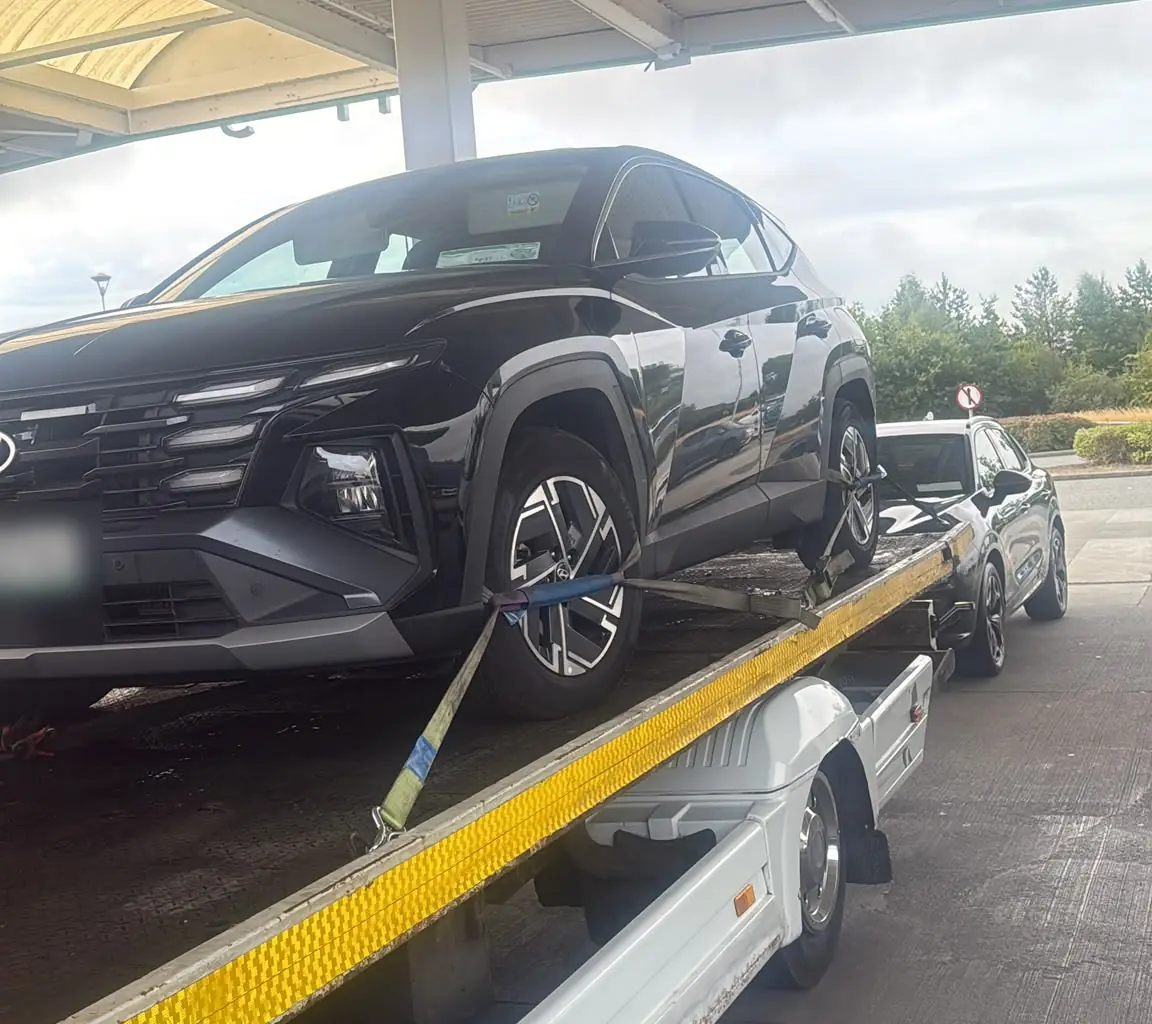
Towing, or recovery, means the car goes on a truck and is taken somewhere else: home, a garage, a dealer or another address you choose. That is the answer when the car cannot be fixed on the spot, is not safe to drive, or is somewhere it cannot be worked on.
Plenty of call-outs start as one and end as the other. A car that will not start because of a flat battery is a roadside job. A car that will not start because the starter motor has failed is a tow.
Case by case
A flat battery
If the car clicks or turns over slowly, and especially if it has been sitting or the lights were left on, a flat battery is the likely cause. That is often a roadside job. If the battery is old or the car keeps going flat, the battery or the charging system may need attention in a garage.
A puncture
With a usable spare and somewhere safe to work, a wheel change is a roadside job. With no spare, a badly damaged tyre, a damaged wheel or a car on a motorway hard shoulder, it usually means a tow to a tyre fitter or home.
Locked out
Keys locked in the car, or a key that will not work, is a roadside problem rather than a towing one. If the car has a fault that stops it recognising the key, it may need to go to a dealer.
Out of fuel
Running dry is usually a roadside problem. Some diesels need more than fuel to restart after running out, so mention it when you ring.
Wrong fuel
Do not start the engine. Whether it can be dealt with where it is or needs to go to a garage depends on the car and whether it was started. Ring and describe exactly what happened.
Mechanical failure
A snapped belt, a failed clutch, a gearbox problem, a serious leak or an overheated engine is almost always a tow. These need a garage, parts and time.
After an accident
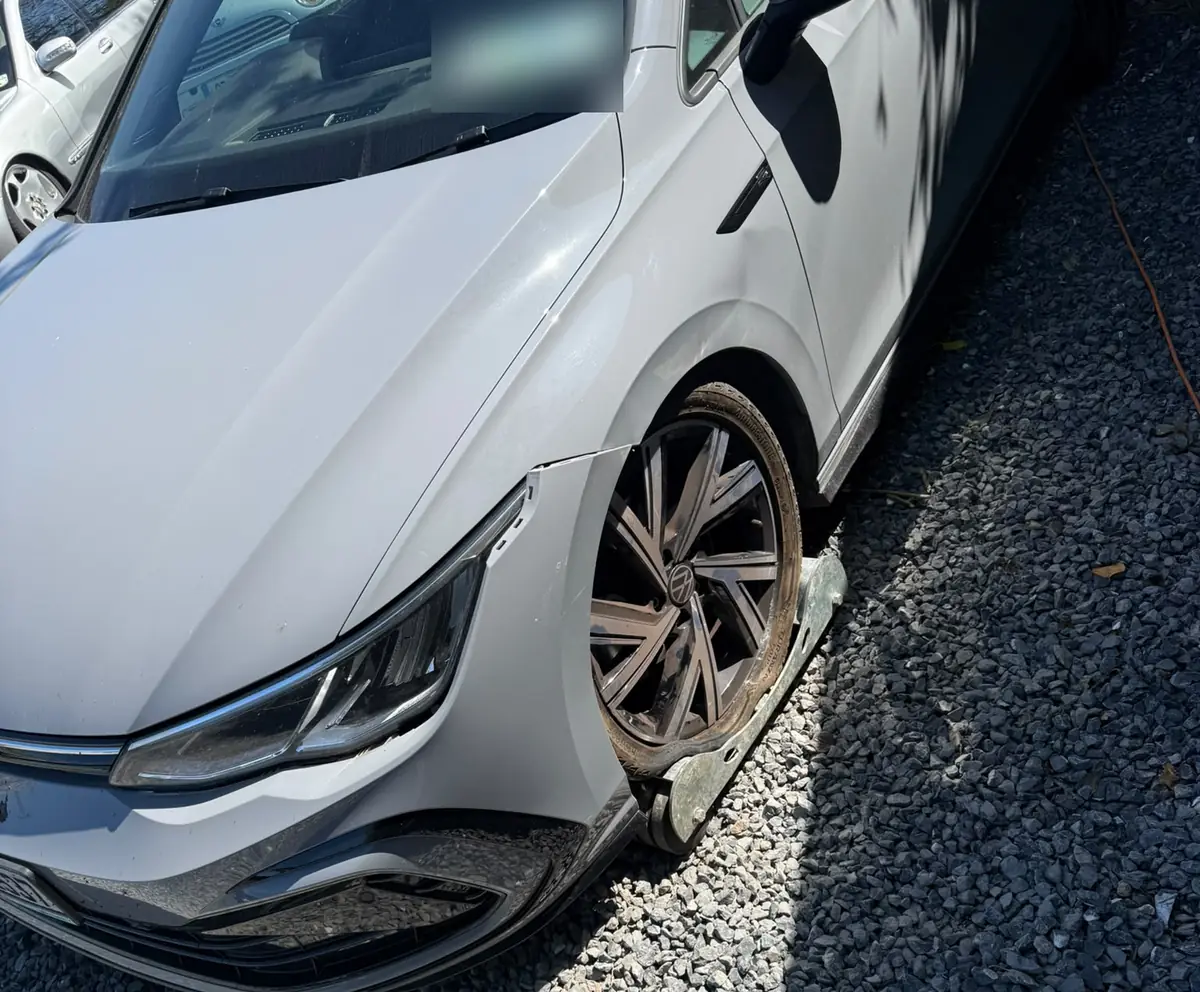
If the car has been damaged, it often should not be driven even if it starts. Wheels out of line, leaks, broken lights or damage near the steering are all reasons to tow. See our accident recovery page.
A planned move
A car you have bought that has no tax or test, a project car that has not run in years, or a car going for a repair it should not be driven to: these are towing jobs, but not emergencies. See car towing and transport.
Where you are matters too
The same fault can be a roadside job in one place and a tow in another. A puncture in your driveway is easy. The same puncture on the hard shoulder of a motorway, with lorries passing, is a reason to get the car onto a truck and deal with it somewhere safe. Our motorway breakdown guide explains why.
Roadside help usually makes sense when
- The cause is simple and clear: battery, tyre, fuel or keys
- The car is somewhere safe to work on, away from fast traffic
- Once fixed, the car will be safe to drive
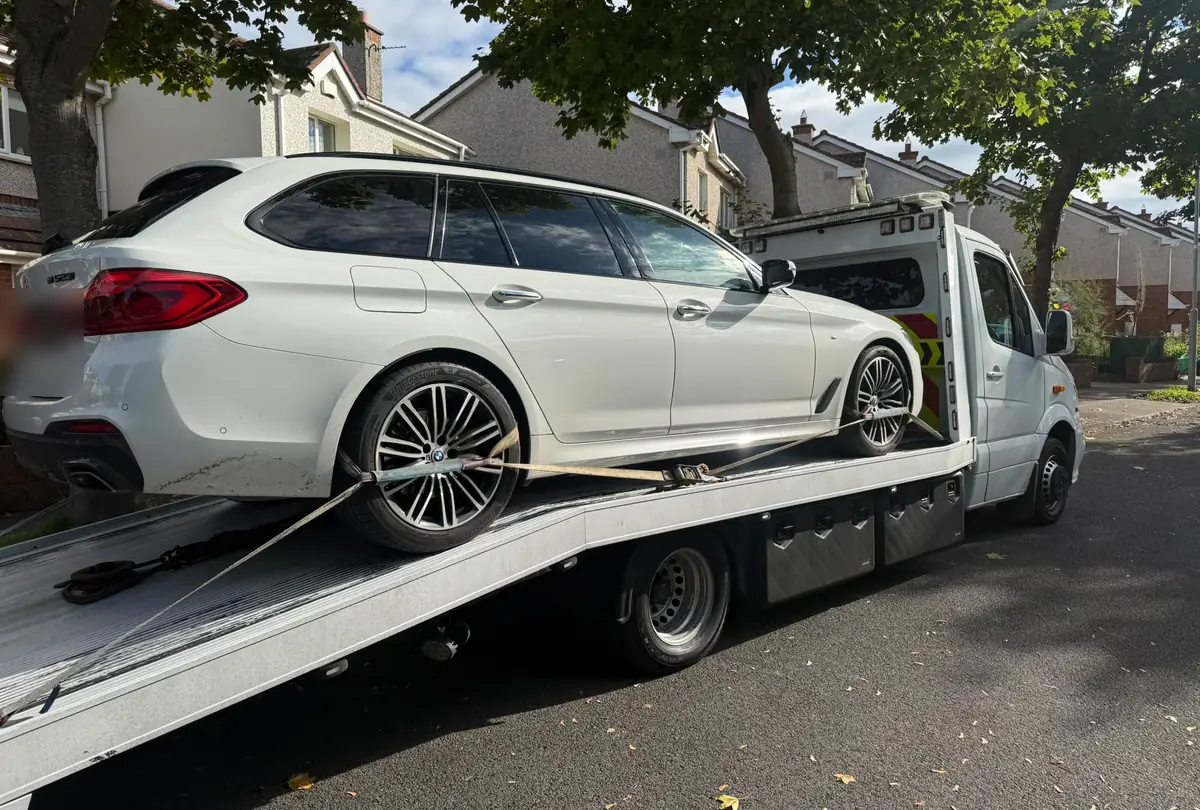
A tow usually makes sense when
- The car will not go again, or the cause is not clear
- It has a warning light that means stop, such as oil pressure or temperature
- It has been in a collision or is leaking
- It is electric and will not move, as it should go on a flatbed. See electric car towing
- It is on a motorway or another fast road where working on it is unsafe
What to tell the person on the phone
Describe what the car did, not what you think is wrong:
- What happened just before it stopped: a noise, a light, a smell, a loss of power
- What it does now: nothing, clicks, turns over but does not start, starts but will not move
- Whether it rolls, steers and brakes
- Where it is, and how safe that spot is
- Where you would want it taken if it needs to move
That is enough for an honest answer on whether it needs the truck.
Older cars
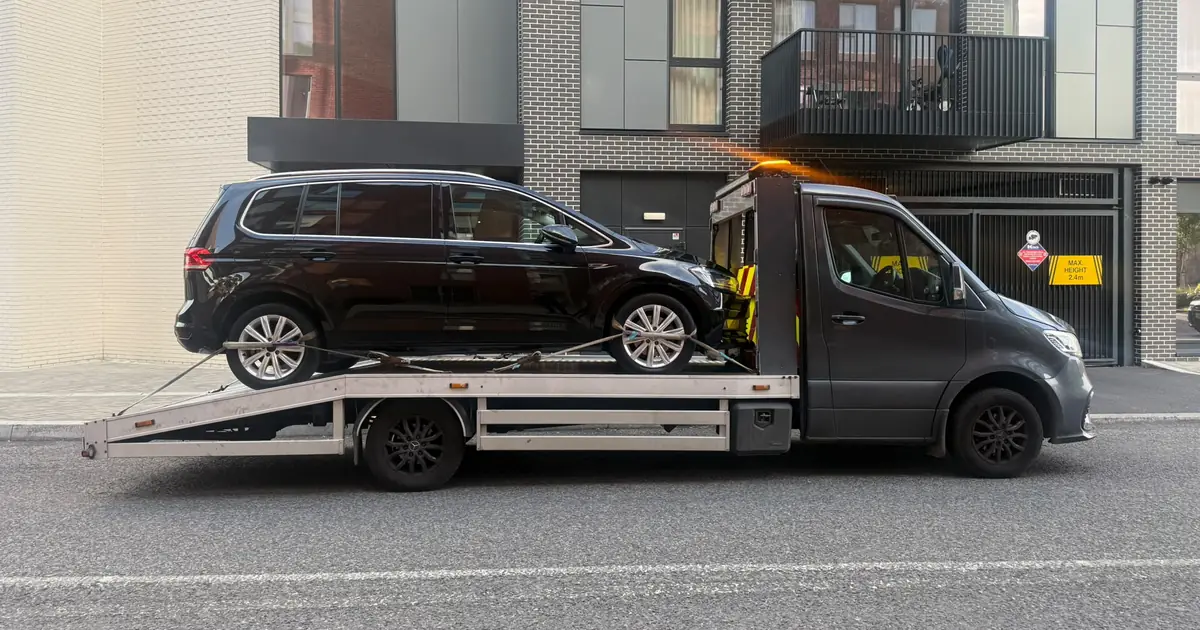
With an older or high-mileage car, a breakdown is more likely to be wear than a one-off problem. A jump start might get it going today, but if the battery or alternator is failing it may stop again tomorrow. It is often worth having it taken to your garage. More in our note on older vehicles.
Cost and time
Getting the right help first time saves both. If the car clearly needs a garage, a tow straight there avoids a second call-out later. If it only needs a quick fix, there is no point moving it.
With us, the price for moving a car is simple: a standard call-out from €150, plus €2 per km depending on the destination, agreed on the phone before the truck sets off. Ring and describe what the car is doing, and we will tell you honestly what we think it needs. See our roadside assistance page and prices, or ring 087 116 1102.